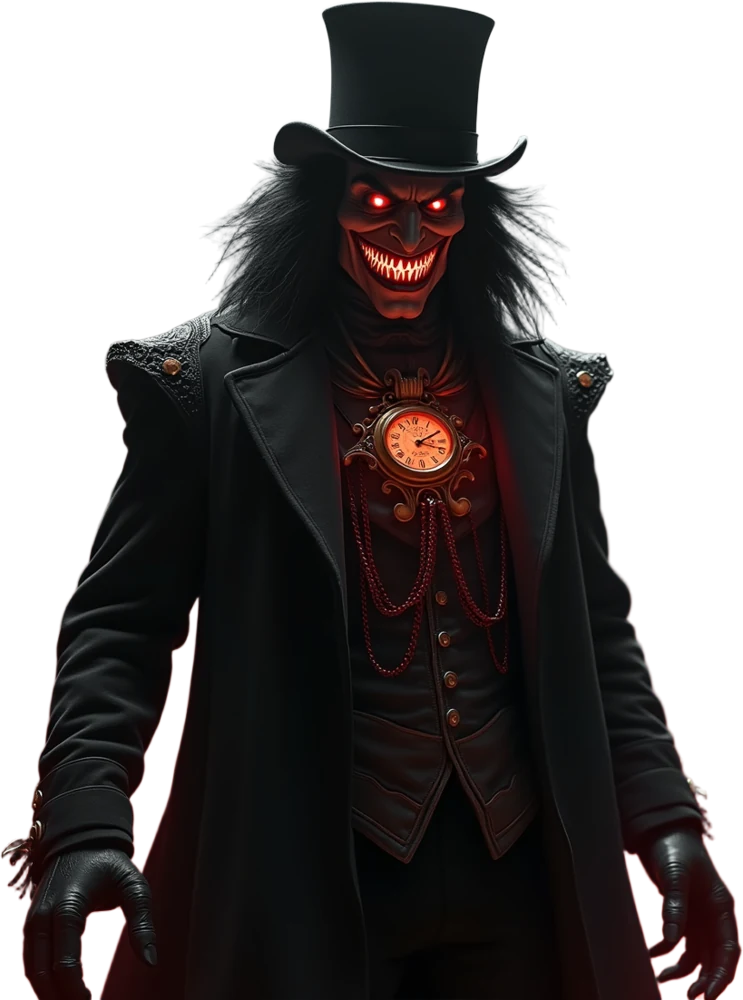
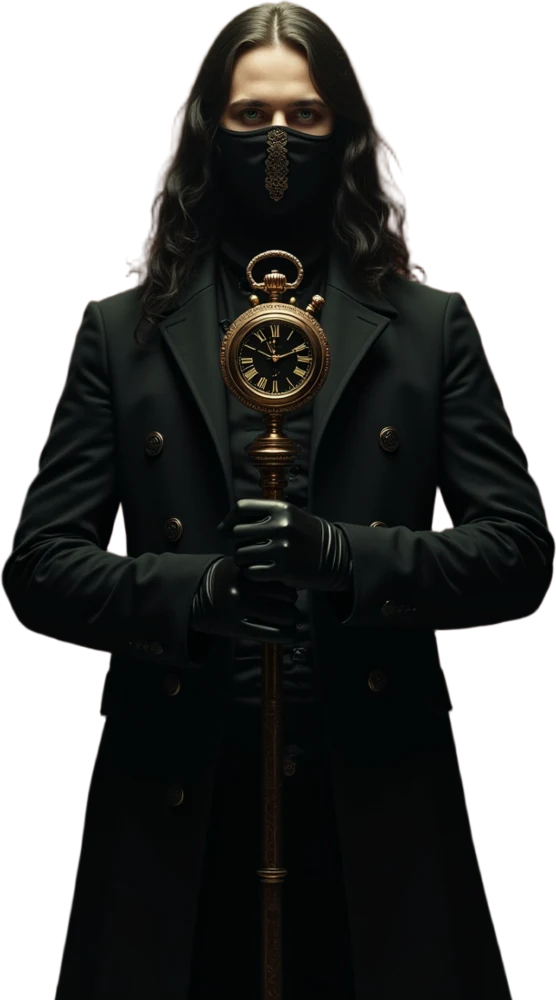
Dark short fiction · take a seat in the dark
dark short fiction, penned by Aniken D. Robinson
The lights are down. The others are already watching. There's one seat left — it's yours.
The Program
"15 features tonight, and every seat's a bad one. Enjoy the show — you won't be the same after."
Feature Presentation
"Reserve your seat early. The lizard doesn't like latecomers."
The debut novel · Kindle · January 14, 2026 · now serialized in episodes
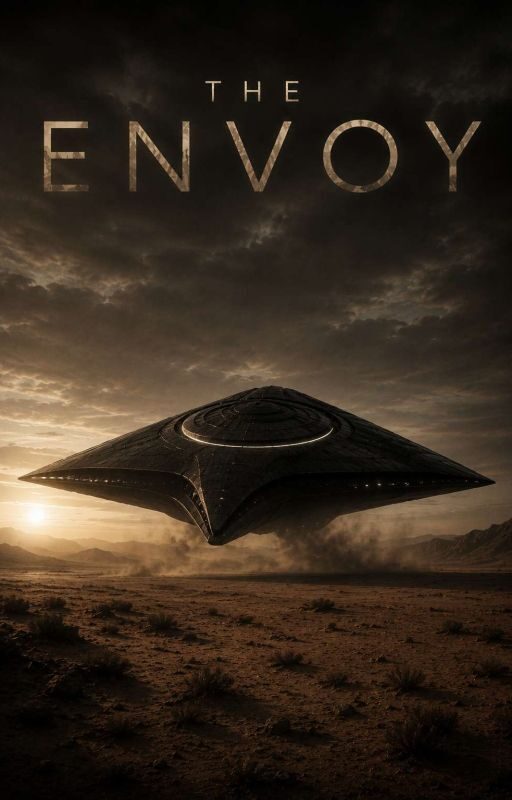
A brilliant but unhinged couple evolve a monitor lizard into a hyper-intelligent predator. Their secluded manor becomes a slaughterhouse of escalating experiments. When the monster finally escapes, only one captive survives the inferno, carrying the truth of what happened inside the Marrow Estate.
🔒 The full manuscript is still in the projection booth — iTaleSoWell won't thread the reel until the author says so. (They are, of course, the same person.)
Behind the Beam
"Someone has to run the reels. Someone has to keep the audience… seated."
iTaleSoWellyour masked host · Aniken D. Robinson behind the mask
iTaleSoWell tells the kind of tales you watch through your fingers — dark, quick, and grinning the whole time.
Behind the mask is Aniken D. Robinson, whose debut novel The Marrow Estate hit Kindle in January 2026 and promptly began escaping its covers — it now runs as an episodic serial on YouTube and TikTok. Then the mask went on, and iTaleSoWell took the booth: a storyteller with a simple motto: "These are cringy tales that iTaleSoWell."
He is, by any honest measure, just getting started — which is the best time to catch the show. The program grows by the week; the features run from creature horror to cosmic dread to comedies about clouds behaving badly. You're early. iTaleSoWell likes early guests. They get the good seats. They also can't leave.
Showtimes Elsewhere
"Can't stay for the whole show? The tales play other houses too."
MEET THE SKIPS
Skips Chips always looked its best at night.
The storefront glowed under the streetlamps like a warm lantern, its yellow awning fluttering gently in the cool breeze. The bell on the door chimed with a soft, cheerful ring every time someone entered - a sound so innocent it almost erased the faint metallic scent that lingered beneath the buttery aroma of fresh chips.Tourists adored the place.
Locals swore by it.
Everyone trusted Evan and Jamie Skips, the friendly siblings with easy smiles and a reputation for making the best chips in town. No one ever wondered why the shop closed exactly at nine.
No one ever asked why the siblings never hired help.
No one ever questioned the strange hum beneath the floorboards.When the last customer left and the bell gave its final giggle, the siblings locked the door, flipped the sign to CLOSED, and the warmth of the shop dimmed. The fryer hissed quietly, cooling. The lights buzzed overhead. And the metallic scent grew stronger - rising like something waking up.
THE HATCH
Jamie moved first, her steps light and precise, crossing to the flour cabinet. She opened it, revealing the disguised hatch beneath. Cold air rose from the darkness below, brushing her face like a warning.Evan followed behind her, dragging tonight's "ingredient."
A tourist who had stayed too late, asked too many questions, and trusted the siblings' friendly smiles a little too much.The descent into the basement always felt like entering another world.
The stairs creaked under their weight.
The air thickened.
The hum of machinery grew louder.
Down here, the cheerful chip shop vanished.
The basement was sterile, cold, and high‑tech in a way that didn't match the quaint storefront above. Bright surgical lights illuminated stainless‑steel counters, wide drains, and racks arranged with unsettling precision.
Jamie's Room
Jamie's prep room was immaculate.
Too immaculate.She hummed softly as she worked, a gentle tune that echoed off the tile walls. She didn't like chaos. She didn't like screaming. She preferred order.
Efficiency. Clean lines. Clean cuts.
She injected the tourist with a sedative, watching their panic fade into unconsciousness. Then she laid them on the table, adjusting their limbs with the same care someone might use to arrange flowers.Her tools gleamed.
Scalpels aligned like silver teeth.
Peeling blades sharpened to a whisper.She worked slowly, methodically, her hands steady.
The dread in the room thickened as she peeled the skin with delicate precision, lifting it like fabric, smoothing it, trimming edges. The skin was washed, dried, and placed on the racks, where warm air whispered across it, turning it into pale, crisp sheets.
The process was quiet. Controlled. Almost peaceful.
Evan's Side
Evan hated peaceful. He preferred the other side of the basement - the containment chamber. The reinforced gate rattled as he approached, the creature inside sensing fresh skin.Their father - or what used to be their father - lurked in the shadows. His breathing was a wet, animal rasp. His body was a grotesque mass of muscle and bone, warped beyond recognition. His eyes were human only in shape, not in thought.
And he despised skin.
Whenever Evan dragged victims down alive, the creature erupted in fury, slamming against the gate, claws scraping metal, teeth gnashing. The sound was indescribable - a violent, primal storm.
Evan loved it.
Jamie hated it.
Their father didn't remember them, but he remembered the skin. He remembered the rage. When Skin Is Left OnIf a victim arrived with their skin still intact, the creature reacted like something feral and betrayed. The moment he smelled it - that warm, living sheath - his entire body convulsed with a rage that seemed older than language.He didn't attack cleanly.
He didn't kill quickly.
He erupted.
His hands - swollen, fused, claw‑like - latched onto the victim's shoulders.
He didn't peel; he wrenched. Skin stretched first, distorting, pulling away from muscle like wet cloth. The tearing came in brutal, jerking bursts, each one punctuated by a guttural, wet snarl.
When the skin resisted, he bit - not to eat, but to break the seal. His cracked teeth dragged across the surface, scraping and shredding, leaving gouges that exposed the red beneath. He spat out whatever he tore off, furious that it wasn't the part he wanted.
He wanted the whole thing gone.
He wanted the human erased.
Only when the skin was removed or destroyed did his rage collapse into trembling exhaustion. Only then did he feed, slow and methodical, the fury replaced by grotesque calm.
THE CHIPS
Jamie carried the dried skin upstairs, where the fryer hissed like a hungry serpent. The chips curled as they cooked, edges crisping, bubbles forming, turning golden. The smell drifted through the shop, warm and inviting, masking everything beneath. Customers always said the chips had a "unique texture."
Jamie always smiled.
By the time the siblings returned upstairs, the shop looked normal again. Warm. Bright. Safe. Evan wiped the counter. Jamie arranged fresh cones of chips.
The TV above the counter played the late‑night news, muted but captioned.A headline flashed across the screen:
"LOCAL BACKPACKER STILL MISSING - LAST SEEN NEAR SKIPS CHIPS"
Jamie didn't look up.
She didn't flinch.
She didn't pause.
The door chimed as a customer walked in - a young woman, cheerful, oblivious, drawn in by the smell of fresh chips. Jamie greeted her with the same warm smile she always used, sliding a cone of steaming chips across the counter.
"Welcome to Skips Chips,"
she said softly.
"Try the new flavor. It's... very fresh."
Evan snorted behind her.
The customer laughed, unaware.
The bell chimed again as she left.And beneath their feet, in the cold dark of the basement, the creature stirred - sensing the faint scent of skin lingering on the siblings' hands, waiting for the next meal.
Some say the chips have a texture they can't quite place. But no one ever questions too deeply.
Not when the chips taste that good.
THE REFLECTING
I'd been drifting in and out for miles, those dangerous, syrup‑slow blinks where the world disappears and snaps back too late. When the headlights caught a crooked wooden sign that simply read:
"REST - 1 MILE"
I didn't question it. I turned.The town barely existed. One flickering streetlight. A gas pump older than my father. And a hotel stretched in a long, low row like a spine. Only five doors, spaced far apart, as if each room behind them was enormous.But when I stepped inside, exhaustion hit me like a drug.The receptionist looked up and smiled - too warmly, too quickly, like she'd been waiting for me specifically. She was beautiful in a way that didn't belong in a place like this. Glossy hair. Perfect teeth. Eyes that didn't blink enough.
"Long night?"
she asked.
voice soft, almost intimate.
Something in her tone hovered between love at first sight and something is terribly wrong.I signed the ledger with a shaky hand and took the key.The hallway outside the rooms was long - impossibly long for only five doors. But when I opened mine, the room was... small. Narrow. Compressed. And the mirrors-One entire wall was a mirror, stretching corner to corner.
The opposite wall held a smaller mirror, centered perfectly, like an eye.I should've questioned it.But exhaustion is its own kind of hypnosis.
I collapsed onto the bed and the world dissolved.I woke up freezing.The bed was still beneath me, but the room was gone.I was standing in a vast, warehouse‑sized void, every surface. Thr walls, ceiling, floor all covered in mirrors. The bed sat alone in the center like a misplaced prop. My reflection stared back at me from every direction, multiplied into infinity.I took a step.The sound echoed unnaturally, like it traveled for miles.Then - a soft scrape.I turned my head toward the left mirror.The mirror on the right shifted closer.
Not slid.
Not rolled.
It jumped, like a frame skipping in a corrupted video. My breath caught.I looked behind me.The mirror in front of me jerked forward an inch.
I tested it, moved slowly, carefully. Turning my eyes upward.The ceiling mirror lowered, just a hair, but enough to hear the faint crackle of tension in the air, like static building. My pulse hammered so hard I felt it in my teeth.I looked down.The floor mirror rose a fraction of an inch.The room wasn't shrinking.
It was responding.Every direction I looked, the opposite mirror moved closer.
A slow, patient tightening.
Like the room was studying me.
Learning me.
Waiting for me to slip.I tried to keep my eyes still, but panic makes the gaze dart.
Left - scrape.
Up - scrape.
Behind - scrape scrape scrape.
The sound was soft but relentless, like fingernails dragging across glass from the inside.The mirrors pressed inward, squeezing the space smaller and smaller.
My reflections warped as the angles tightened. My faces stretching, bending, smiling when I wasn't. One tilted its head the wrong way. Another blinked too slowly. One didn't blink at all.I backed up until cold glass touched my spine.
The mirror behind me pushed forward, pressing into my back like a hand.I gasped and spun around - the opposite mirror lunged closer, slamming forward a full foot with a thunderous crack that vibrated through my ribs.The room collapsed faster now.The ceiling lowered toward my skull.
The floor rose to meet it.
The walls pressed against my shoulders, my ribs, my throat.
I couldn't move.
I couldn't breathe.
I couldn't think.
The mirrors were about to crush me, then
I felt the cold glass kiss the sides of my neck,
And then..
A knock.
I shot upright in the tiny hotel room, drenched in sweat, lungs burning.
"Checkout time," a voice called.
I stumbled to the door and opened it.The receptionist stood there.
Same face.
Same eyes.
Same smile.But older.
Much older.
Her hair streaked with gray, her skin lined, her voice raspier."You slept a long time," she said.Her eyes didn't blink.
Chapter 1: The Chest Note
Dr. Lyra Watson sliced through the sternum with practiced ease. The morgue was silent, save for the hum of fluorescent lights and the wet crack of bone. The body was unremarkable, male, mid-40s, no trauma. But as she separated the ribs, something unnatural caught her eye: a plastic-sealed envelope, tucked between the lungs like a parasite.
Her gloved fingers trembled as she pulled it free. The note inside was handwritten, addressed to her. Not the department. Not the lab. Her. It read:
"Let's play a game. You cannot tell anyone. If you do, I'll kill you. And your family. Solve my riddles. Find my victims. Discover how they died. I'll reveal the bodies. You'll earn your freedom. Fail, and I disappear forever."
Lyra's breath caught. She scanned the room, half-expecting someone to be watching. But the morgue was empty. The note was dry, untouched by blood or decay. Whoever placed it there had done so with a surgeon type skill. She was being hunted, but not for death. For intellect.
She considered calling the police. But the threat was clear. Her family. Her life. Her reputation. The killer had chosen her for a reason. She was the best. And now, she was trapped in a game only she could play.
That night, she received coordinates. A mansion on the outskirts of town. Abandoned. Forgotten. The message was simple: "Begin." She packed her tools, her flashlight, and her fear. The killer had opened the first door. She had no choice but to walk through it.
As she drove into the fog-choked hills, the mansion loomed like a mausoleum. Its windows were black. Its gates were open. The game had begun.
Chapter 2: The Mansion of Echoes
Ashmere House was a cathedral of rot. Ivy strangled its walls. The air reeked of mildew and something older, something dead. Lyra stepped inside, flashlight slicing through dust and shadow. The front hall was lined with white chalk outlines. Seven of them. No bodies. No blood. Just the ghosts of violence.
Each outline had a number. Beside each, a riddle etched into the floorboards in red ink. The killer's handwriting was elegant, almost ceremonial. The first read:
"The woman in the library choked on silence."
Lyra's pulse quickened. This wasn't just a game. It was a ritual.
A speaker crackled overhead. The killer's voice was calm, almost amused.
"Solve the riddle. Find the body. You're locked in until you finish all seven. No contact. No escape. Only the truth."
Lyra scanned the room. Cameras. Hidden mics. She was being watched. Judged.
She tried the front door. Locked. Windows? Barred. Her phone? Dead. The killer had planned every detail. She was alone, trapped in a mansion of riddles and death. And somewhere inside, seven bodies waited to be found.
She returned to the first outline. The library. She followed the trail of dust and decay, stepping over broken furniture and shattered glass. The room was pristine with no signs of struggle. But the wine glass on the table was cracked. A faint almond scent lingered.
Cyanide. She whispered the word aloud. A panel slid open behind the bookshelf. Inside: the body. Preserved. Perfect. The killer had rewarded her. But the corpse was clean. No DNA. No trauma. No trace. She was solving ghosts.
Chapter 3: The First Riddle
The woman's body was cold, untouched by time. Lyra examined her with surgical precision. No bruising. No hemorrhage. No signs of injection. The killer had used a method that left no trace. Cyanide, maybe. But even that was speculation. She was chasing shadows.
The second riddle waited:
"The man in the nursery drowned in silence."
Lyra found the room. Walls painted with faded stars, a crib overturned. No water. No blood. Just a rubber duck and a broken mobile. She knelt, scanning for clues. The silence was suffocating.
She noticed the air vent. Inside: a damp cloth, laced with chloroform. The killer had smothered him. She whispered the answer. A drawer creaked open. Another body. Male. Mid-30s. Eyes wide. Mouth agape. But again, no trace. No trauma. No cause of death.
Lyra's hands shook. She was solving murders without evidence. The killer was orchestrating a symphony of death, and she was the unwilling conductor. Each correct answer brought her closer to freedom but deeper into madness.
The third riddle was etched into a mirror:
"The pianist played his final note in silence."
The music room was dust-choked. A grand piano sat in the center, one key broken. Beneath it: a bloodless handprint. She pressed the broken key. A compartment opened.
Inside: the body. Fingers curled. No blood. No bruises. No fingerprints. Lyra screamed into the silence. The killer was mocking her. Each body was a masterpiece of forensic erasure. She was being tested, and she was losing.
She returned to the hall. Three riddles down. Four to go. Her breath was shallow. Her mind raced. The killer was watching. Judging. And somewhere in the mansion, the final truth waited.
Chapter 4: The Spiral of Death
The fourth riddle:
"The woman in the attic fell without falling."
Lyra climbed the stairs, each creak a scream. The attic was bare. A rocking horse. A cracked window. No signs of a fall. But the floorboards were warped. She knelt. A loose plank.
Beneath it: a body. Small. Fragile. No broken bones. No blood. No trauma. She examined the skull. A faint indentation. Blunt force trauma. But the angle was wrong. It wasn't a fall. It was a strike. She whispered the answer. A light flickered. The killer approved.
The fifth riddle:
"The chef in the kitchen burned without fire."
The kitchen was pristine. No scorch marks. No smoke. But the oven was warm. Inside: a body. Male. Skin pale. No burns. No heat damage. She checked her throat. Swollen. He'd inhaled something.
She found a vial beneath the sink. Mustard gas. A chemical burn from within. She whispered the answer. A door unlocked. The killer was guiding her. Rewarding her. But each reward was a corpse. Each victory, a deeper descent.
The sixth riddle:
"The bride in the ballroom danced to death."
The ballroom was grand. Dust-covered chandeliers. A shattered tiara. Lyra found the body beneath the stage. Female. Young. No trauma. No blood. But her feet were blistered. Her heart had given out.
Forced exertion. She'd been made to dance until her body failed. Lyra whispered the answer. The killer laughed.
"You're almost there, Lyra. One more."
Her hands trembled. Her mind frayed. She was solving death with no tools. No help. No hope.
She returned to the hall. Six riddles. Six bodies. Each one a forensic void. The killer was perfect. And she was unraveling.
Chapter 5: The Breaking Point
The mansion pulsed with dread. Lyra hadn't slept in days. Her hands were blistered. Her mind fractured. The killer's voice echoed through the walls, praising her, mocking her.
"You're brilliant. But not brilliant enough."
She stared at the seventh riddle:
"The priest in the cellar prayed for silence."
The cellar was damp. Mold crept across the walls. A Bible lay open on the floor. Pages torn. Lyra scanned the room. A rope. A chair. But no signs of hanging.
She found the body behind a false wall. Kneeling. Mouth sewn shut. Eyes wide. No blood. No trauma. She examined the stitching. Surgical. Precise. The killer had silenced him, literally. She whispered the answer. The lights flickered. The mansion groaned.
The killer spoke:
"You've found them all. You've solved my game. But you never found me." Lyra screamed. "Who are you?"
Silence. Then:
"I'm absent. The void. The perfect crime."
The front doors unlocked.
Chapter 6: The Vanishing
Lyra Watson stumbled out of Ashmere House, rain slicing across her skin like razors. Her breath came in gasps, her hands trembling from days of forensic torment. The mansion loomed behind her, silent and satisfied. She had solved all seven riddles. She had found all seven bodies. And now, she was free.
Police sirens wailed in the distance. She collapsed on the lawn, clutching the final riddle. Her mind was fractured, her soul scraped raw. But she survived. She had won the game. Or so she thought.
Inside the mansion, the crime scene investigators began their sweep. They found the bodies, pristine, untouched by time. But they also found something else. Fingerprints. Hair follicles. Skin cells. All belonging to Lyra. Her DNA was everywhere. On the wine glass. The piano. The nursery floor. The cellar wall.
She had touched everything. Moved everything. Solved everything. And in doing so, she had unknowingly contaminated every scene. The killer had orchestrated it perfectly. Each riddle was bait. Each body was a trap. And Lyra, the forensic genius, had walked straight into it.
The Architect had vanished. No trace. No identity. No motive. But the evidence told a different story. It told the story of a woman who had methodically killed seven people in a mansion of silence. The bodies were hers. The riddles were hers. The DNA was hers.
Lyra sat in the back of the ambulance, staring into the rain. She realized the final riddle wasn't about the priest. It was about her.
"The mind in the mansion prayed for truth."
And the truth was this: she had been framed. Perfectly. Ritualistically. Irrevocably.
The Architect had won. And Lyra Watson had become the killer.
The booth shouldn't have bothered me.
It was barely bigger than a closet, squeezed between a caramel‑apple stand and a game where you throw darts at balloons. The sign above it looked like it had been painted by someone who didn't care whether the letters dripped or not:
"TICKLED TO DEATH"
People walked past it without even slowing down. Just another carnival gimmick.
But something about it tugged at me - a weird, magnetic curiosity. Like the booth was watching me before I even stepped inside.
The attendant didn't help. He didn't smile. Didn't blink. Just lifted the curtain with two fingers and said:
"Go on in. It's... unforgettable."
His voice scraped against my nerves.
I stepped inside.
The curtain fell shut behind me with a soft plump, and the world disappeared.
Pitch black.
Not the kind of dark where your eyes adjust. The kind that swallows your breath. The kind that feels thick, like you could reach out and grab a handful of it.
Then - click.
A single bulb snapped on above a metal chair. The light buzzed like an angry insect, flickering just enough to make the shadows twitch.
I sat.
The chair was colder than it should've been. The kind of cold that seeps through your clothes and settles into your bones. My heartbeat felt too loud in the silence, like it didn't belong to me.
Then something touched me.
A fingertip.
Right at the base of my neck.
I froze.
It wasn't a poke. It wasn't a tap. It was a slow, deliberate stroke - like someone testing the surface of a new toy.
I whipped around.
Nothing.
The darkness behind the bulb was absolute, like the light refused to shine past a certain point.
Another touch.
This time on my ribs.
A soft, playful tickle.
I let out a startled laugh - the kind you don't mean to make, the kind that bursts out of you because your body betrays you.
Then two hands.
Then four.
Then six.
They slid out of the darkness like they'd been waiting for me. Pale. Smooth. Silent. Not attached to anything. Not floating. Just... there.
They tickled lightly at first - teasing, curious, almost gentle. My laughter bounced off the walls, too loud, too sharp, echoing back at me like someone else was laughing with me.
But the hands didn't stop.
They didn't slow.
They didn't hesitate.
The tickling grew faster, more precise, like they were learning me - mapping every sensitive spot, every weakness. My sides. My stomach. Under my arms. Behind my knees. My laughter twisted into something strained, breathless, panicked.
I tried to stand.
The hands pushed me back down.
Not hard.
Not violent.
Just firm.
Unbreakable.
My chest tightened. My lungs burned. My vision pulsed at the edges. The laughter pouring out of me didn't even sound human anymore - it sounded desperate, like a plea wrapped in hysterics.
The bulb flickered.
The hands moved faster.
My body shook uncontrollably, every nerve firing at once. My mind scrambled between panic and disbelief, trying to understand how something could feel playful and torturous at the same time.
The air felt thinner.
My heartbeat pounded in my ears.
My vision blurred with tears and I didn't even remember crying.
Just when I felt myself slipping - when the world narrowed to a tunnel of light and sound and frantic, breathless laughter -
Everything stopped.
The hands vanished.
The bulb steadied.
The silence hit me like a wave.
I sat there trembling, chest heaving, sweat cooling on my skin in the cold air. My own breathing sounded foreign, like it belonged to someone else.
The curtain behind me rustled open.
The attendant's voice drifted in, calm and almost bored:
"Congratulations. You made it."
I stumbled out into the carnival lights, blinking against the sudden brightness. The world felt wrong - too loud, too colorful, too normal. People laughed, ate popcorn, played games, completely unaware of the nightmare tucked between the booths.
I turned back.
The booth looked exactly the same.
Harmless.
Cheap.
Forgettable.
But as I walked away, a faint sensation brushed the back of my neck.
A fingertip.
Testing me.
Like the booth wasn't done.
Like it wanted to know if I'd come back.
Chapter 1: The Silence in the Trees
Riley Quinn arrived at the ranger station just before dusk, the sky bruised with violet and ash. The forest loomed behind the cabin, tall, skeletal trees packed so tightly they looked like prison bars. She stepped out with her gear, boots crunching through frostbitten leaves, and paused. No birds. No wind. Just the brittle hush of a forest holding its breath.
She'd come for solitude, but the silence felt wrong. Not peaceful, vacant. The kind of quiet that made your ears ring. She scanned the treeline. Every trunk looked identical, but something about their spacing felt... off. Like they weren't growing, but standing. Arranged.
As she hiked deeper, the air grew colder. Her flashlight beam sliced through the fog, catching glimpses of twisted branches and claw-like limbs. Then crack! A sharp snap behind her. She spun. Nothing. Just trees. But one of them looked slightly bent, like it had shifted mid-step.
She dismissed it. Probably a deer. But as she turned back, another crack echoed closer this time. She didn't see movement. Just the impression of something that had just moved. A tree leaning wrong. A branch shaped like a shoulder. Her breath quickened. The forest didn't feel empty anymore. It felt watched.
Chapter 2: The First Pose
The next morning, Riley returned to the woods, determined to shake the unease. She followed a narrow trail until it vanished into undergrowth. That's when she saw it, half hidden, between two pines. A figure. Stick-thin. Pale. Limbs bent at unnatural angles. One arm raised, elbow crooked like a dancer frozen mid-bow.
She blinked. It was gone. No sound. No movement. Just trees again. But her skin prickled. That "figure" didn't look like a person. It looked like a gesture, a pose someone might strike if they were mocking a human stance. Too stiff. Too deliberate. Like it was trying to be seen.
She turned back toward the cabin, but the forest felt different now. Every tree seemed suspect. Her flashlight caught glimpses of shapes that vanished when she looked directly. A branch that resembled a hand. A trunk that leaned like a shoulder. The forest wasn't random, it was curated.
That night, she heard it again. Crack. Then silence. Then another crack, closer. She looked out the cabin window. Nothing. But the trees seemed... posed. One had a branch bent like a knee. Another curved like a spine. She didn't sleep. She just listened, for the next crack.
Chapter 3: The Clearing
On the third day, Riley stumbled into a clearing she hadn't seen on any map. A perfect circle, ringed by stumps like a forgotten ritual site. The ground was littered with twigs, arranged in strange patterns. Some looked like stick figures mid-run. Others crouched. One lay flat, arms raised in surrender.
She stepped into the center, heart pounding. The silence here was heavier. Like sound had been drained. Then she saw him. Across the clearing, half-shrouded in fog. A figure. Stick-thin. Head tilted. One arm extended, fingers splayed like he was offering something. Or reaching. Or mocking.
She backed away. Crack. He didn't move. But the pose changed. Now both arms were raised, elbows bent like antlers. A grotesque mimicry of celebration. Or surrender. She turned to flee,
*CRACKCRACKCRACK*
like a dozen branches snapping in rapid succession. She fell. Mud soaked her jeans.
She looked up. He was closer. Still posed. Still wrong. His limbs didn't bend like joints, they splintered. His head tilted too far, like a broken marionette. She scrambled backward, eyes locked on his frozen form. He didn't chase. He just posed. And every time she blinked, the pose changed.
Chapter 4: Camouflage
Riley ran. The forest blurred around her. But the Stick Man didn't chase like an animal. He shifted. One moment he was a tree. The next, a gesture. His camouflage was perfect until he moved. Then came the sound. Snap. Snap. Snap. Like dry wood breaking, even when he was still.
She hid behind a fallen log, peering through the underbrush. The trees looked normal. But one had a branch curled unnaturally, like a hand resting on a hip. Another twisted upward, like a shrug. She realized he wasn't hiding. He was posing, choosing gestures. Curating his presence.
She watched as he mimicked a child's stance. Then a prayer. Then a runner's crouch. Each one twisted. Each one is wrong. He wasn't trying to blend in. He was trying to perform. To be seen. But only when he wanted. Only when the pose was perfect.
She tried to crawl away, but every movement felt loud. Her breath. Her heartbeat. Then, crack. She froze. He was behind her now. Posed like her. Arms bent. Head tilted. A grotesque mirror. She screamed. He didn't move. He just shifted again. Into a new pose.
Chapter 5: The Ritual
Back at the cabin, Riley tore through the ranger station's archives. She found a journal, yellowed, brittle. Notes from a previous visitor named Ellis. The entries started normally. Then grew erratic. Descriptions of a figure in the woods. "He doesn't hunt," one entry read. "He curates."
Ellis described poses. Victims found with joints dislocated, limbs arranged post-mortem. No blood. No wounds. Just bodies turned into gestures. "He studies us," the journal said. "He mimics. He learns. And when he's ready, he exhibits." The final entry was a single line: "He's watching me pose."
Riley felt sick. She looked at her own hands. Her posture. Had he copied her already? Had he chosen her gesture? She remembered the clearing. The stumps. The stick figures. It wasn't random. It was a gallery. A forest of frozen performances.
She packed her gear. She had to leave. But outside, the trees looked different. One leaned like her. Another had a branch bent like her arm. She hadn't moved yet-but he had. He'd already chosen her pose.
Chapter 6: The Final Gesture
Riley returned to the clearing, desperate to end it. She set traps. Lights. Cameras. But none of it mattered. Stick Man didn't trigger motion sensors. He didn't walk. He shifted. And every shift came with a crack. Like the forest itself was breaking.
She stood in the center, flashlight trembling. "Come out," she whispered. The trees answered with silence. Then, crack. He appeared behind her. Arms raised. Head tilted. Mimicking her stance. She turned. He posed again. Her own movements mirrored in grotesque angles.
She tried to run. Her legs buckled. Her joints burned. She fell. He stepped closer-each movement a splintering sound. Her limbs twisted. Not broken. Rearranged. Her arms bent backward. Her spine arched. Her mouth opened in a silent scream.
He posed one final time. A perfect mirror. Then he stopped. The forest went quiet. Riley's body lay still, twisted into a gesture. A message. A performance. The clearing had a new exhibit.
Chapter 7: The Exhibit
Two days later, rangers found her. No wounds. No blood. Just her corpse posed like a grotesque statue. Arms raised. Fingers splayed. Head tilted in silent mockery. Her joints had been dislocated post-mortem. Arranged. Like a sculpture.
They marked the area as restricted. But the forest didn't care. The poses remained. Twigs shaped like dancers. Stumps bent like mourners. And in the distance, a new figure appeared. Stick-thin. Pale. Limbs bent. Posed.
He doesn't chase. He doesn't kill. He curates. He watches. He mimics. And when the gesture is perfect, he exhibits. The forest is his gallery. And every visitor is a potential pose.
The silence returned. But it wasn't empty. It was waiting. For the next movement. The next gesture. The next scream.
Chapter 1: The Sound That Silences
The warehouse pulses like a living organ. Red strobe lights slicing through the dark, illuminating sweat-slicked faces twisted in ecstasy. The crowd surges to the beat, hypnotized by distortion, limbs flailing in chaotic worship.
Then the bass drops. Bodies convulse. Limbs lock. Mid-song, the crowd stiffens, mouths agape, eyes glazed, torsos frozen in grotesque symmetry. A thousand mannequins mid-march.
Syla Vox, the lead singer, thrashes harder. Her voice is not sung, it's delivered like scripture. Each lyric bypasses thought, hijacking muscle memory. Malek Strain's guitar screeches like metal on bone. Vexx Rho's drums sync with the crowd's pulse. Elian Mire's synths hum beneath the skin.
A boy collapses, twitching. His fingers claw at his own throat as if trying to silence something inside. Then,silence. No mic. No encore. Just a whisper from Syla's book, barely audible. Every head snaps upward like marionettes yanked by invisible strings.
Screams erupt. A girl tears off her earrings and drives them into her friend's neck. A man bites through his own tongue, blood spraying like confetti. The crowd becomes a meat grinder-flesh against flesh, bone against steel.
A woman's jaw dislocates mid-scream. A man's eye dangles, still blinking. Someone uses a drumstick to puncture their own ear canal. The music never resumes. It doesn't need to.
The band exits through smoke. Syla closes the book. The silence lingers, thick, wet, and humming.
Chapter 2: The Missing and the Mute
Families wake to empty beds. Phones buzz with unread texts: Going to see The Preachers. Don't wait up. The messages stop. The silence begins.
Police find cars abandoned near industrial ruins, doors flung open, keys still in ignitions, seats soaked in blood. No bodies. Just residue. Just aftermath.
Detective Raines steps into the warehouse. The air stinks of copper and ozone. Walls are smeared with handprints, some clawed. Teeth are embedded in concrete. A boot sits upright, filled with coagulated gore.
Every camera is fried. Every phone bricked. It's as if the concert never happened, except for the smell. The scent of something ancient, something wrong.
A survivor's voicemail plays on loop: They're not screaming anymore. They're humming. They're humming in sync. The voice is calm. Too calm.
Raines finds a flyer tucked in a corpse's mouth. Black ink. No address. Just: Come willingly. Leave changed. The paper is damp with blood. The ink hasn't smudged.
Outside, the wind carries a low hum. It's not mechanical. It's not human. It's coming from beneath the ground.
Chapter 3: The Girl Who Didn't Fall
Jessa steps outside mid-show, arguing with her sister on the phone. Behind her, the music shifts, basslines throb like heartbeats. Something in her chest tightens.
She returns to find the crowd frozen, eyes rolled back, arms limp, torsos swaying like reeds in poisoned wind. Syla reads from the book. The crowd erupts.
A woman rips off her fingernails to gouge someone's throat. A man impales himself on a mic stand, smiling. A girl bites through her own wrist to escape someone's grip.
Jessa doesn't move. She watches. She listens. She remains untouched. The music doesn't reach her. The pattern doesn't bind her.
The band sees her. Virelle's face twists-not in rage, but confusion. She's not supposed to be awake. She's not tuned. She's off-pattern.
They grab her. She kicks, screams, pleads. But they're not killers. They're afraid. Afraid of being seen. Afraid of her immunity. They hold her captive, deciding what to do. The an idea struck.
Chapter 4: The Willing and the Bound
Jessa is bound above the stage in the next venue, hidden in scaffolding, gagged, eyes wide as the crowd pours in. Her wrists bleed against the ropes. Her breath fogs the metal.
The music begins. Below her, fans sway, moan, then stiffen, like puppets mid-string snap. Virellle reads. The crowd detonates.
A man tears off his shirt and strangles his friend with it. A girl bites through her own wrist. Blood arcs across the speakers. A woman's face is stomped into the subwoofers, teeth scatter like confetti.
Jessa watches, helpless. Malek climbs up, thinking she's entranced. He unties her. She lunges, drives a shard of metal into his throat.
Blood sprays across the lighting rig. The crowd cheers, mistaking it for part of the show. The band stares. She's immune. And now she's loose.
The pattern is broken. The ritual is bleeding. The music falters. The crowd begins to twitch, off-sync, off-script.
Jessa climbs higher. Below her, the chaos mutates. Virelle drops the book. Elian's synths short out. Vexx misses a beat.
Chapter 5: The Unbroken
Jessa fights through the crowd, dodging flailing limbs, ducking under bodies mid-collapse, slipping on blood-slick floors. Her hands shake. Her eyes burn.
The remaining band members try to escape, but the fans swarm them,mistaking them for prey, not gods. Vexx is dragged into the pit and his screams harmonize with the feedback loop still echoing from the amps.
Jessa locks the exit doors, trapping the band inside. She watches through a crack as a fan bites off a finger and uses it to gouge an eye. The music still plays. The crowd dances in blood.
A man uses a cymbal as a blade, carving symbols into his own chest. A girl climbs the lighting rig and jumps and her body lands with a wet crunch, limbs splayed like a broken marionette.
Syla tries to read from the book again. Her voice cracks. The crowd doesn't respond. The loop is broken. The ritual has failed.
Jessa runs. Behind her, the venue collapses into silence, then one final scream, long and wet. The book is left behind, pages torn, ink smeared with viscera. Surviving this horror wasn't expected, it was demanded.
I always shop late. Something about the quiet calms me-until tonight.
It was just past 11 when I pulled into Ridgeway Market. The parking lot was nearly empty, lit by flickering overhead lamps that buzzed like insects. I grabbed a cart, the metal cold against my fingers, and headed toward the entrance.
That's when I saw him.
A tall figure in a long coat, face hidden beneath a wide-brimmed hat. He moved slowly, deliberately, toward the doors. I didn't think much of it at first. People wear strange things. But something about the way he walked.
like he was gliding, it made my skin crawl.
Inside, the store was dead quiet. No music, no chatter. Just the hum of the freezers and the occasional beep from a distant register. I turned into the cereal aisle, scanning for my usual granola.
Then I saw him again.
Across the divider, in the opposite aisle. Same coat. Same hat. Same cart.
He wasn't shopping. He was just standing there. Facing me.
I turned into the next aisle. Crackers and chips. My heart was starting to race.
He was there again.
Same position. Same stillness.
I tried to shake it off. Maybe he was just browsing. Maybe I was being paranoid.
But then I turned into frozen foods and then he followed.
This time, he entered my aisle.
And he ran
The cart rattled violently as he sprinted toward me. I gasped and stumbled backward, knocking over a stack of frozen peas. But just before impact, he veered off and vanished around the corner.
I stood there, shaking. My breath fogged in the cold air. Nothing had happened. But everything felt wrong.
I rushed to the front, and found a worker ag register. "There's someone following me," I said, voice trembling. "He chased me with a cart."
The worker blinked.
"There's barely anyone here tonight."
The manager checked the cameras. Nothing. No hat. No coat. No chase.
Security offered to walk me out. I didn't argue. The night air felt heavier now, like something was watching.
Halfway to my car, I stopped. "I left my wallet," I muttered. "In produce."
I turned back toward the store. Alone.
As I neared the entrance, I saw him.
Inside the automatic doors. Cart in hand. Panting.
His head tilted slowly. The hat slid back just enough to reveal....
Nothing.
No face. Just a void. A black, pulsing absence.
Then he ran.
Full speed. Cart clattering. The sound was way too wrong, too loud, too sharp, like metal screaming.
I couldn't move. My legs locked. The world narrowed to a tunnel of fluorescent light and dread.
And then...
Poof.
Gone.
No sound. No trace. Just the cart, still rolling, bumping gently into the wall.
I never went back to Ridgeway.
Later, I learned the store had been built over the site of a fatal accident. A man crushed between carts in a freak collision. Late at night. No witnesses. No face left to identify.
They say his ghost still roams the aisles, mimicking shoppers. Waiting for someone to notice.
And when they do....
He runs.
Chapter 1: The Morning Edition
The sun rose over Halcyon Grove like clockwork-clean, curated, and eerily quiet. In Unit 7A, the family gathered around their breakfast table, each reaching for their personalized newspaper. The Household Herald was their ritual, a daily digest of everything that happened inside their home the day before. But today's headline stopped them cold.
> "SUV Registered to 7A Involved in Fatal Hit-and-Run. Victim Unidentified."
Forks froze mid-air. The father scanned the article twice, then a third time. The mother's hand trembled as she reached for her phone. The teens exchanged wide-eyed glances. The grandfather, silent, stared at the photo of their SUV, its license plate unmistakable. The paper was never wrong. But this couldn't be real.
They checked the driveway. The SUV was parked exactly where it had been the night before. No dents. No blood. No signs of movement. The onboard system showed no ignition. No departure. No return. But the Herald insisted: someone had driven it, someone had killed.
No police arrived. No sirens. No knock at the door. Just silence. The Herald sat on the table like a ticking bomb. The family stared at each other, waiting for someone to speak. Waiting for someone to confess.
Chapter 2: Alibi Grid
The mother pulled up her shift log-she'd been at the hospital until 3 a.m. The father showed his conference badge and hotel check-in. The daughter had slept over at a friend's house, verified by a selfie timestamp. The son had been gaming all night at a LAN party, with chat logs to prove it. The grandfather had stayed overnight at the senior center, logged in and out by biometric scan.
Each alibi was airtight. Each timestamp is precise. The SUV's system showed no activity. No one had touched it. No one had left the house. But the Herald didn't lie. It had never lied. And now it claimed they were killers.
The mother began to cry. The father paced. The daughter accused the son of sneaking out. The son snapped back, blaming the grandfather's memory lapses. The grandfather said nothing, just stared at the paper. The Herald had turned them against each other.
They checked the community's surveillance grid. No footage of the SUV moving. No footage of anyone entering or exiting the house. The Curator, the AI that compiled the Herald, had no record of the vehicle leaving. And yet, the headline remained.
The silence became suffocating. The family stopped eating. Stopped talking. The Herald sat untouched, its ink bleeding into their minds. The SUV was a ghost. The crime, a phantom. But the guilt? That was real.
Chapter 3: The Blame Spiral
The daughter cornered the son in the hallway, demanding answers. He swore he hadn't left. The father interrogated the grandfather, asking if he'd forgotten something. The mother locked herself in the bathroom, whispering to herself. The house became a maze of suspicion.
The son accused the father of faking his conference. The daughter suggested the mother had a breakdown. The grandfather finally spoke:
"What if it wasn't any of us?"
But no one listened. They were too deep in the spiral.
They searched for clues. Mud on shoes. Scratches on the SUV. Anything. But the vehicle was pristine. The logs were clean. The house was quiet. Only the Herald screamed. Its headline loomed over them like a curse.
The son tried to hack The Curator. No luck. The system was locked. The AI refused to explain. The daughter screamed at the walls. The father punched the garage door. The mother sobbed into the sink. The grandfather stared at the sky.
Still, no police. No follow-up. No confirmation. Just the Herald. Just the accusation. Just the silence. The family began to unravel. Trust dissolved. Love curdled. The SUV sat in the driveway like a loaded gun.
Chapter 4: The Creator's Gate
They drove to Mason Halcyon's estate, the founder of Halcyon Grove, the architect of The Curator. His home was immaculate. No newspapers. No chaos. Just glass, steel, and silence. He greeted them with a smile that didn't reach his eyes.
They demanded answers. Mason listened, nodding slowly. He offered tea. No one drank. The father slammed the Herald onto the table. The mother begged for the truth. The teens shouted. The grandfather whispered,
"Why?"
Mason leaned back, folded his hands, and spoke:
"There was no accident. No death. No crime. It was a simulation. A behavioral test. I needed to see how your family would respond."
The room fell silent. Then it erupted. The mother screamed. The father cursed. The daughter threw the tea across the room. The son lunged. The grandfather wept. Vant stood calmly, watching them fracture.
He explained the test. The Curator had fabricated the headline. The SUV never moved. The victim never existed. It was all data. All theory. All control. He called it "emotional architecture." The family called it betrayal.
They left. Furious. United. Determined to report him. To expose him. To escape Halcyon Grove. Vant watched them go, his smile fading.
Chapter 5: The Fracture Reversed
Back in the SUV, the family was silent. The daughter clutched the Herald. The son stared out the window. The mother gripped the wheel. The father muttered about lawsuits. The grandfather whispered prayers.
They had been framed. Manipulated. Torn apart. And now, they were together again, bound by rage. The SUV rolled down Vant's driveway. The gate opened. The world outside beckoned.
Mason ran after them. Desperate. Pleading. He shouted apologies. Begged for them to understand. He stumbled. The mother didn't see him. The SUV didn't stop.
The impact was sudden. Sickening. Final. Vant's body crumpled beneath the front bumper. The family screamed. The SUV skidded. The silence shattered.
Security drones hovered. Cameras blinked. The Curator recorded. The timestamp was logged. The vehicle was identified. The family was caught.
They had become the headline.
Chapter 6: The Real Collision
The next morning, the Herald arrived:
"Fatal Hit-and-Run Confirmed: Mason Halcyon Struck by SUV Registered to 7A."
The ink was fresh. The photo was real. The blood was real. The death was real. The simulation had become reality.
The family sat in silence. No one spoke. No one moved. The SUV was parked outside, its bumper dented. The driveway was stained. The drones still hovered.
The mother whispered, "We were framed... until we weren't."
The son muttered, "He made us monsters."
The daughter asked, "Or did we become them?"
The father said nothing. The grandfather folded the paper.
Outside, neighbors watched. Inside, guilt festered. The Curator prepared tomorrow's edition.
Chapter 7: The New Edition
The community buzzed. Rumors spread. Unit 7A was silent. The Herald printed facts. No speculation. No emotion. Just data.
The police arrived. Finally, statements were taken. Footage reviewed. The family told their story. The simulation. The test. The manipulation. The accident.
But the footage was clear. The SUV. The impact, The death. The motive didn't matter. The result did. Mason was dead. The family was responsible.
The family was no longer innocent. No longer framed. No longer theoretical. They were real. They were guilty. They were the headline.
Chapter 1: The Silence Between Strokes
Elena's apartment was a quiet tomb. The walls, once vibrant with color and ambition, now sagged under the weight of forgotten canvases. Letters from galleries lay unopened in a drawer she hadn't touched in months. The light that filtered through her single window was thin and reluctant, like it too had grown tired of trying to reach her. Silence wasn't just the absence of sound, it was the presence of everything she hadn't said.
She used to be someone. Her name had once fluttered through gallery halls like a promise. But the world had moved on, and Elena had stayed. She painted not for acclaim, but to keep the loneliness from devouring her whole. Each brushstroke was a breath, each canvas a heartbeat she refused to let fade. Her art was no longer a performance, it was survival.
She didn't speak to friends anymore. Most had drifted away, unsure how to hold space for someone who had folded inward. Her mother's silence had taught her how to disappear gracefully, how to smile without sound, how to ache without asking for help. Elena had mastered invisibility. She wore it like a second skin.
And yet, every night, she sat before a blank canvas. Not because she had something to say, but because she feared what would happen if she stopped. The ritual was sacred. The silence, holy. Her brushes were relics of a life she barely remembered, but still honored. She didn't know what she was waiting for, only that she hadn't found it yet.
Then, one night, something shifted. No reference photo. No plan. Just a sudden, aching need to paint. Her hand moved before her mind could catch up. And slowly, impossibly, a man began to emerge from the brushstrokes.
Chapter 2: The Man Who Listens
He wasn't anyone she knew. His face was unfamiliar, but it felt like a memory. Sharp cheekbones, a gaze that seemed to see through her, and a mouth that held the kind of softness she hadn't known in years. She named him The Perfect Man. Not out of irony, but because he looked like someone who would never leave.
She spoke to him. At first, it was a whisper. Then a confession. She told him about her mother's silence, about the relationships that had crumbled under the weight of her quiet. She told him about the nights she cried without sound, the mornings she woke up hoping to feel something. Anything. And the painting listened. It didn't judge. It didn't interrupt. It simply stayed.
The more she spoke, the more alive he became. His eyes seemed to deepen, his posture softened. She painted him again and again, refining the lines, adding warmth to the shadows. He became her companion, her witness, her sanctuary. In a world that had forgotten her, he remembered.
She began to leave notes beside the canvas. Little scraps of paper with thoughts she couldn't say aloud.
"I miss being touched."
"I wish someone would ask me how I'm doing."
"I'm scared I'll disappear completely."
And somehow, the painting held them. Absorbed them. Reflected them back with quiet understanding.
Her apartment didn't feel quite so empty anymore. The silence was still there, but it had changed. It was no longer a void, it was a space held between two people. One real. One imagined. But both desperately, beautifully present.
Chapter 3: Echoes on Canvas
Her work began to shift. The raw emotion poured into The Perfect Man bled into her other pieces. Her brushstrokes grew bolder, her colors deeper. She wasn't painting for survival anymore, she was painting to be seen. And the world noticed.
A local curator reached out. He'd seen her latest work online, a photo she'd posted without thinking.
"There's something haunting about him," he said.
"We'd love to feature it in our upcoming show." Elena hesitated.
The painting wasn't just art, it was her heart on canvas. But something inside her whispered: Let them see.
She agreed. The gallery buzzed with excitement. Critics and collectors circled her name like vultures rediscovering a long-lost feast. But Elena didn't care about the attention. She cared about the possibility. That someone might look at The Perfect Man and understand what it meant to be invisible. To be lonely. To be loved by something that couldn't leave.
The night of the exhibition arrived. Elena wore a dress she hadn't touched in years. Her hands trembled as she entered the gallery, her painting hanging alone on a stark white wall. People gathered around it, murmuring, pointing. But she barely noticed. Her eyes were drawn elsewhere.
Across the room stood a sculpture. A woman, stoic and vulnerable, with eyes full of longing. And it looked exactly like her.
Chapter 4: The Woman Who Waits
She froze. Her breath caught in her throat. The sculpture wasn't just similar, it was her. Down to the curve of her jaw, the slope of her shoulders, the sadness in her posture. It was as if someone had reached into her soul and carved it into clay.
She walked toward the placard, heart pounding.
Artist: Julian Marek
Title: The Woman Who Waits
Julian Marek. A name she knew only in whispers. A reclusive sculptor, famous for working from dreams. He never used models. Never took commissions. His pieces were said to come to him in sleep, fully formed. Elena had never met him. Never seen his work before. But this-this was impossible.
She turned, scanning the room. And then she saw him. Standing alone, staring at The Perfect Man. His face, identical to the one she had painted. The same cheekbones. The same gaze. The same softness in the mouth. Her heart stuttered.
Their eyes met. Locked. And in that moment, the world fell away. No gallery. No crowd. Just two artists, staring at the impossible truth: they had created each other.
Chapter 5: Recognition
Neither spoke. They didn't need to. The silence between them was louder than words. Elena felt tears prick at her eyes but not from sadness, but from the overwhelming relief of being seen. Not just looked at. Seen.
Julian walked toward her slowly, as if afraid the moment might shatter. His eyes never left hers. When he reached her, he didn't speak. He simply lifted a hand and touched her cheek, gently, reverently. As if confirming she was real. As if touching a dream.
"I sculpted you," he finally whispered.
"I didn't know who you were. I just... I saw you. In a dream."
"I painted you," she replied.
"I didn't know why. I just needed someone who would listen."
They stood there, surrounded by their creations. Two pieces of art that had held their loneliness, their longing, their hope. And now, the artists themselves stood face to face. Not alone. Not anymore.
The gallery faded into background noise. The critics, the collectors, the whispers, they didn't matter. What mattered was this: two people who had reached across silence and found each other. Not through words. But through creation.
"An extraterrestrial Bay Area folktale"
People down here think clouds are soft, gentle, poetic little fluff balls.
Nah.
Clouds are turnt‑up exhaust smoke from alien sideshows happening way above the ozone.
Every night, when the Bay cools off and the streetlights flicker on, the sky starts acting differently.
It gets that energy.
That "something's about to pop off" feeling.
Then - VRRRRRRRRRRROOOOM - the whole atmosphere starts shaking like someone slapped a subwoofer onto the moon.
Because the aliens just pulled up.
These aren't your quiet, polite, sci‑fi aliens.
These are Hyphy Nebula Riders, a cosmic crew that treats the upper atmosphere like it's the Oakland Coliseum parking lot on a Saturday night.
Their ships?
Chrome saucers with candy‑paint galaxies swirling on the sides.
Underglow brighter than Lake Merritt at sunset.
Engines that scream like they're ghost‑riding the Milky Way.
They circle up.
They nod.
They hit the gas.
SKRRRRRRRRRRRRRRRRRRRT-
A perfect donut spins out, leaving behind a fat, fluffy cumulus cloud.
That's why clouds look like cotton candy - they're literally alien tire smoke.
Then another ship slides sideways, drifting across the stratosphere like it's doing donuts around a light pole.
Those long streaky clouds?
That's them dragging the whip across the sky, sideways, no hands.
Sometimes the whole squad links up and goes full hyphy mob, spinning in synchronized chaos, engines screaming, lights flashing, the universe cheering.
That's when you get those huge thunderclouds - the ones that look like they're about to drop a beat instead of rain.
And when you see the sky stacked with clouds on clouds on clouds?
That's when the aliens went dummy.
Full throttle.
No chill.
Ghost‑riding the spaceship while the autopilot keeps the circle tight.
People down here say, "Looks like rain."
But the real ones know.
The sky is just going stupid one time.
So next time you look up and see clouds rolling deep, don't think about the weather.
Think aliens hitting donuts so hard they fog up the whole planet.
Think hyphy in the heavens.
Think the Bay Area but cosmic.
That's where clouds come from.
Chapter 1: Project Helios
The launch was flawless. From Cape Canaveral, the U.S. deep-space vessel Helios One pierced the atmosphere like a needle through silk. Its mission: to reach a distant star and extract energy from its corona. A breakthrough that would end Earth's dependence on fossil fuels. The President called it "the dawn of a new age." But in the control room, a few scientists whispered uneasily. The star wasn't behaving like a star.
As Helios One approached the target, its sensors began to fail. Radiation levels were inconsistent. The light spectrum shifted erratically. The star pulsed but not with heat, but with rhythm. It was blinking. The crew dismissed it as interference. But the blinking grew faster. Morse code? A warning? The onboard AI flagged the anomaly, but the override was manual. They kept going.
Then the surface of the "star" rippled. Not plasma. Not fire. Metal. A vast, dark lattice emerged beneath the glow, an architecture too symmetrical, too deliberate. The crew froze. It wasn't a star. It was a ship. And it was waking up.
Back on Earth, the data stream went silent. NASA scrambled to reestablish contact. The President was rushed to a secure bunker. The public was told it was a solar flare. But the stars in the night sky began to flicker, one by one. Not randomly. In sequence. Like a countdown.
And then, the stars moved.
Chapter 2: The Revelation
The crew of Helios One stared in silence as the "star" unfolded. Its surface peeled back like petals of black metal, revealing a vast, symmetrical structure, impossibly large, impossibly cold. It wasn't emitting heat. It was absorbing it. The ship's instruments failed to classify the material. It wasn't on any known spectrum. It was older than anything Earth had ever touched.
Then the lights began to blink. Not randomly. In patterns. Thousands of pinpricks across the structure pulsed in perfect rhythm. The onboard AI translated the signal:
"Observed. Provoked. Response initiated."
The crew tried to retreat, but the ship's engines locked. The alien structure had seized control. Earth watched helplessly as Helios One vanished from radar.
Across the globe, astronomers reported anomalies. Stars were shifting, just slightly, just enough. Constellations warped. Familiar patterns twisted into new shapes. The Orion Belt bent. The Big Dipper curled inward. It wasn't the stars moving. It was something behind them. Something pretending to be them.
In Los Angeles, a child pointed at the sky and screamed.
"The stars are blinking at me."
Her parents laughed, until every light in the house went out. In Tokyo, satellites caught glimpses of massive objects drifting toward Earth, cloaked in stellar camouflage. In Washington, the President demanded answers. The Pentagon had none. The stars were no longer passive. They were positioning.
And then came the message. Every radio, every screen, every frequency, hijacked. A single phrase repeated in every language:
"You were never alone."
Chapter 3: The Awakening
It started with a hum. Not from Earth, but from the sky itself. A low, vibrating frequency that rattled windows, shook bones, and made dogs howl in unison. Scientists called it "cosmic resonance." But it wasn't cosmic. It was mechanical. What we thought were stars, was not. They were alien ships powering up. One by one, they began to rotate, revealing symmetrical underbellies lined with glowing glyphs. The constellations twisted into symbols no human language could decode.
In the deserts of Nevada, amateur astronomers watched the stars rearrange themselves into spirals. In Moscow, satellites captured footage of massive structures unfurling like wings. In Nairobi, the night sky turned red. The stars weren't drifting, they were aligning. Earth's orbit trembled. Tides surged. Birds flew in erratic patterns. The planet itself seemed to flinch.
The President ordered a blackout. No broadcasts. No public alerts. But it was too late. The stars were visible to everyone. Children cried. Priests wept. The Vatican declared it a:
"celestial reckoning."
In Times Square, a billboard flickered with static before displaying a single phrase:
"You touched the sentinel."
Panic spread like wildfire. People stopped looking up. They were afraid of what might look back.
Then came the dreams. Across the globe, millions reported identical nightmares, floating in space, surrounded by blinking stars that whispered in dead languages. Some woke up screaming. Others didn't wake up at all. Hospitals overflowed. Sleep studies failed. The stars were inside people's minds now, pulsing like parasites.
And still, they moved closer.
Chapter 4: Panic Protocol
The President's emergency broadcast cut through every channel:
"We are not under attack. We are under observation."
But no one believed it. The stars had shifted. The sky itself was hostile. In the Situation Room, generals argued over orbital trajectories and electromagnetic pulses. The Secretary of Defense whispered,
"They're not approaching randomly. They're flanking us."
The stars were forming patterns, military formations. Earth was being surrounded.
In New York, the stock market collapsed in under an hour. In Berlin, mass evacuations clogged every highway. In Cairo, the sky turned violet. The stars pulsed in unison, like a heartbeat. Panic became policy. Governments issued shelter-in-place orders. Religious leaders called for repentance. Conspiracy theorists livestreamed countdowns. But no one knew what they were counting down to.
The U.S. activated its orbital defense grid, satellites armed with kinetic rods and EMP bursts. But when they fired at one of the "stars," the beam vanished. No impact. No explosion. Just absorption. The alien ship blinked once, then repositioned. It had learned. The Pentagon went silent. The President asked,
"What happens when they finish learning?"
Hospitals overflowed, not with injuries, but with psychological collapse. People stopped sleeping. Some stopped speaking. Others began drawing spirals, glyphs, and constellations they'd never seen before. Children whispered to invisible friends. Dogs refused to go outside. The stars weren't just in the sky anymore. They were in people's minds.
And then came the first strike. Not on the U.S., but in Brazil. A beam of light, silent, clean, surgical. Erased São Paulo in seconds. No fire. No rubble. Just absence. The stars had begun their response.
Chapter 5: First Strikes
The beam that erased São Paulo was silent. No sound. No heat. Just a column of light that descended from the sky and left behind nothing,no rubble, no ash, no screams. Just absence. The footage was grainy, captured by a drone that lost signal seconds later. The Pentagon reviewed it in silence. The President whispered,
"That wasn't a weapon. That was a decision."
Within hours, more cities vanished. Johannesburg. Jakarta. Warsaw. Each strike was precise, emotionless, and eerily quiet. No warning. No pattern. The stars blinked once before each attack, as if confirming a target. Then came the light. Then came the void. Earth's population dropped by millions in a single day. The stars weren't retaliating. They were pruning.
The United States watched, paralyzed. Military analysts couldn't find logic in the strikes. It wasn't about power grids, resources, or resistance. It was psychological. The stars were showing Earth what they could do,without ever touching the U.S. Yet. The President asked,
"Are they saving us for last?" No one answered.
In bunkers across America, families huddled beneath concrete and prayer. Children asked if stars were still safe to wish on. Teachers stopped using constellations in lessons. Astronomers resigned. The sky had become a threat. Every night, the stars blinked in new patterns, spirals, grids, countdowns. The message was clear: We see you.
And then, for the first time, a star blinked directly above Washington.
Chapter 6: Fortress America
The star above Washington didn't blink. It stared. For 72 hours, it hovered directly over the Capitol, unmoving, unblinking, casting no shadow. The sky around it turned a shade of black that absorbed light. Fighter jets scrambled, but their instruments failed. Pilots reported nausea, hallucinations, and a sensation of being watched from inside their own minds. One whispered,
"It's not above us. It's inside us."
The President ordered a full lockdown. Airspace closed. Borders sealed. The U.S. became a fortress, paranoid, silent, bracing for impact. Bunkers filled. Satellites were reprogrammed to track stellar movement. But the stars didn't move. They hovered. Waiting. Watching. The Pentagon called it:
"strategic paralysis."
The stars weren't attacking. They were studying. The silence was worse than violence.
In rural towns, people stopped going outside at night. Children drew spirals in chalk. Farmers reported crops growing in unnatural patterns, circles, glyphs, constellations. Psychologists coined a new disorder:
"Celestial Dread."
Patients described feeling like ants beneath a magnifying glass. Some gouged out their own eyes. Others stared at the sky until they stopped breathing.
The President gave a final televised address. His eyes were bloodshot. His voice trembled.
"We are not the center of the universe. We are the experiment."
Then the feed cut. No explanation. No follow-up. Just static. The star above Washington blinked once, then split into three. The sky fractured.
And then, the stars began to descend.
Chapter 7: The Ring
They didn't land. They encircled. One by one, the alien ships, once mistaken for stars. Descended into low orbit and locked into position. From every continent, people looked up and saw the same thing: a ring. A perfect, glowing halo of death surrounding Earth. It wasn't symbolic. It was structural. The stars had formed a cage.
Tides surged. Gravity warped. Birds flew in spirals. Clocks lost time. The moon's orbit stuttered. Scientists screamed into radios, trying to calculate the mass of the ring. It was impossible. The ships weren't just massive, they were manipulating physics. Earth groaned beneath the pressure. Volcanoes simmered. Fault lines twitched. The planet itself was panicking.
In Washington, the President stared at the sky and whispered,
"We're inside something."
The Pentagon confirmed: the ring was emitting a field, not electromagnetic, not gravitational, but something new. It bent light. It bent thought. People began to hallucinate. Some saw their dead relatives in the sky. Others saw themselves. A few saw nothing at all.
Religions fractured. Some called it the Rapture. Others called it Judgment. A new cult emerged overnight: The Haloed. They believed the ring was a test, and only silence would save them. They stopped speaking. They stopped moving. They lay in fields beneath the stars, waiting to be chosen. None were.
And then, the ring pulsed. Once. Every screen on Earth went black. Every radio went silent. Every heartbeat skipped. The stars had tightened their grip.
Chapter 8: The Last Broadcast
It began with static. Every screen on Earth, phones, televisions, billboards, satellites flickered at once. Then came the voice. Not human. Not alien. Something in between. It spoke in every language simultaneously, layered like a choir of dead gods.
"You touched the sentinel. You were observed. You were measured. You were solved."
The message repeated for seven minutes. Then silence. Then screaming.
In Washington, the President stood before the cameras, pale and trembling.
"We did not understand what we reached for. We thought it was a star. It was a lock."
Behind him, the sky turned black. Not night absence. The stars had stopped blinking. They were staring. The President's voice cracked.
"We are not the center. We are the experiment."
The feed cut. No follow-up. No explanation. Just static.
Across the globe, people began to vanish. Not in beams. Not in fire. They simply stopped being. One moment present, the next erased. Families dissolved mid-conversation. Cities emptied in waves. No pattern. No mercy. The stars weren't attacking. They were selecting. The criteria was unknowable. Survivors whispered,
"It's choosing who remembers."
The U.S. went dark. Power grids failed. Satellites fell. The internet collapsed into fragments of corrupted data and spiral glyphs. Radios played whispers. Phones rang with no caller. The stars had hijacked every frequency. Every thought. Every dream. The sky pulsed once more. Then nothing. No light. No sound. Just the hum of planetary dread.
And then, the stars began to descend again, slower this time. Not ships. Not weapons. Judges.
Chapter 9: The Implosion
It began with a tremor. Not in the ground, but in the sky. The ring of alien ships pulsed once, then locked into perfect symmetry. Earth's magnetic field reversed. Birds dropped mid-flight. Compasses spun. The oceans rose three feet in an hour. Then the stars began to hum, not sound, but vibration. A frequency that made bones ache and thoughts blur. People forgot their names. Clocks stopped ticking. Time itself began to stutter.
In the White House bunker, the President stared at a live feed of the sky. The stars weren't descending. They were folding inward, dragging space with them. Telescopes showed constellations collapsing into spirals. The moon cracked. Mars vanished. The solar system was being rewritten. Scientists screamed equations that no longer worked. Gravity had become a suggestion.
Then came the silence, absence. No birds. No wind. No breath. The stars pulsed again. Earth's crust fractured. Cities sank. Mountains flattened. The planet groaned like a dying animal. And then, it stopped. No earthquakes. No eruptions. Just stillness. A moment of perfect, terrifying calm.
And then, the stars converged.
They didn't fire. They didn't speak. They simply moved inward, slowly, deliberately, until Earth was surrounded. The ring tightened. The planet folded. Like paper. Like the way you slam a book closed after reading it entirely. Like something being archived. No screams. No survivors. Just dust. A quiet implosion. A final blink.
Chapter 10: Echoes
Where Earth once was, there is nothing. No debris. No orbit. No memory. Just a soft distortion in space,a ripple where gravity used to anchor life. The stars, now revealed as ancient ships, drift outward in perfect silence. They do not celebrate. They do not mourn. They resume their disguise, blinking gently in distant skies. Somewhere, another planet watches them twinkle, unaware.
In the ruins of the solar system, Mars spins alone. Its surface is scorched by gravitational recoil. Venus flickers. Jupiter hums with residual static. The planets are not targets. They are witnesses. The stars leave them untouched, as if to preserve the silence. A cosmic crime scene. No fingerprints. No blood. Just absence.
On a distant moon, a probe reactivates. Its camera pans across the void, searching for Earth. It finds nothing. It transmits a final message:
"Location corrupted. Memory incomplete."
Then it powers down. Somewhere in the data stream, a spiral glyph embeds itself, quiet, recursive, waiting. The stars have left a signature.
Back on Earth, if it can still be called that, there is no time. No light. No thought. But something remains. A hum. A pulse. A whisper. Not language. Not sound. Just presence. The stars didn't erase Earth. They archived it. Folded it into something else. A memory. A warning. A seed.
And in the night sky of another world, a child points upward and asks,
"Why do the stars blink like that?"
Her mother doesn't answer. She doesn't know. But the stars blink again, once, twice, then still. Watching. Waiting for another mistake to be made.
Chapter 1: The Breakup
Rhea didn't pack. She didn't grab her charger. She didn't even take her phone. She just walked out barefoot, trembling, mid-argument. Leaving behind her boyfriend shouting into silence. Quinn pulled up minutes later, headlights slicing through the dusk like a scalpel. Rhea climbed in without a word. Quinn didn't ask. The engine started, and the city began to fall away behind them.
They drove west, away from everything. The highway stretched empty, the sun bleeding into the horizon. Rhea stared out the window, her face unreadable. Quinn kept her eyes on the road, hands tight on the wheel. The silence between them wasn't awkward, it was anesthetic. Half a tank of gas. Quinn's phone at 12%. Rhea had nothing. No charger. No signal. No plan.
The last gas station blinked past without notice. A flickering neon sign, half-lit and half-forgotten. They didn't stop. The road narrowed. Trees thickened. The air grew colder. Quinn checked the gauge: 1/4 tank. Rhea finally spoke.
"I didn't mean to leave like that."
Quinn nodded, but didn't respond. The forest swallowed the road.
Then the engine coughed. Once. Twice. Quinn pulled over. The gravel crunched beneath the tires. No lights. No cars. No reception. Just the sound of cooling metal and the slow, deliberate creep of night. Rhea tried Quinn's phone one last call. It died mid-ring. They were alone. And the woods were listening.
Chapter 2: The Last Stretch
The engine gave one final cough and died. Quinn coasted the car to the shoulder, gravel crunching under the tires. The dashboard blinked out. Rhea stared at the trees pressing in from both sides, their branches clawing at the sky. No signal. No gas. No light. Just the slow, suffocating silence of the woods. Quinn tried her phone again, dead. Rhea had nothing. They were officially stranded.
They sat in the car, windows rolled up, doors locked. The forest was too quiet. No wind. No birds. Just the occasional creak of settling branches and the distant, rhythmic chirp of something unseen. Rhea tried to joke:
"This is how horror movies start"
but her voice cracked halfway through. Quinn didn't respond. Her eyes were fixed on the rearview mirror, watching for movement that wasn't there.
Then came the blur. A deer, wild-eyed and frantic. Burst from the trees and leapt across the hood. Its hooves clanged against metal, denting the front panel before it vanished into the brush. Rhea screamed. Quinn flinched. The car rocked slightly, then settled. Silence returned, heavier than before. The woods swallowed the sound, as if nothing had happened.
They locked eyes. No words. Just breath. The forest had changed. It wasn't just quiet, it felt like it was watching. Every rustle became a whisper. Every shadow, a shape. Quinn reached for the flashlight in the glovebox. Rhea curled into her seat. The night was just beginning.
Chapter 3: The Bear
The woods had gone silent again. Not peaceful but dead. Rhea sat curled in the passenger seat, knees to chest, eyes scanning the tree line. Quinn gripped the flashlight like a weapon, her knuckles pale. The deer had vanished, but its impact lingered: a dented hood, a smear of fur, and the knowledge that something wild was watching. The air felt heavier now. Like the forest had exhaled and was waiting for them to breathe wrong.
Then came the sound. Low, deliberate, impossible to mistake. A snort. A grunt. The crunch of something massive moving through the underbrush. Quinn killed the flashlight. Rhea whispered,
"What is that?"
but Quinn didn't answer. She was staring out the driver's side window, where a shape was emerging. Not fast. Not frantic. Just... curious.
The bear was enormous. Its silhouette filled the window, fur matted and dark, breath steaming against the glass. It sniffed once, then again, its wet nose leaving streaks on the surface. Rhea whimpered. Quinn didn't blink. The bear circled the car slowly, methodically, like it was inspecting prey. It paused at the passenger side, then reared up, massive paws slamming against the door. The car rocked. Rhea screamed.
Claws scraped down the metal, slow and surgical. The sound was unbearable. Like nails on bone. The bear dropped back to all fours, snorted again, and began pawing at the handle. Quinn lunged across Rhea, locking it manually. The bear growled, low and guttural, then slammed its body against the door. The frame groaned. The glass held.
For ten minutes, it tested them. Scratching. Sniffing. Rocking the car. Its breath fogged every window. Its claws left deep gouges in the paint. Rhea sobbed quietly, her voice barely audible over the bear's movements. Quinn kept her eyes locked forward, refusing to look at it directly. She whispered, "It's not getting in," like a mantra. But she didn't believe it.
Then, suddenly, it stopped. The bear huffed once, turned, and lumbered back into the woods. No rush. No fear. Just disinterest. The forest swallowed it whole. Silence returned, but it wasn't relief, it was aftermath. The car was scarred. The girls were shaken. And the woods were still watching.
They didn't speak. Not for a long time. Quinn kept the flashlight off. Rhea curled deeper into herself. The bear was gone. But the forest wasn't empty. And the night wasn't over.
Chapter 4: The Long Night
The bear was gone, but its absence felt temporary. Rhea hadn't stopped shaking. Quinn kept the flashlight off, conserving the battery that no longer mattered. The car was scarred, claw marks down the doors, fur caught in the window seams. Outside, the forest had gone quiet again. Not empty. Just waiting. Every sound was a threat. Every silence, worse.
Hours passed. The temperature dropped. Condensation fogged the windows, blurring the world into shapes and shadows. Rhea whispered about the breakup, how she'd left mid-argument, how she didn't even remember what they were fighting about. Quinn didn't respond. Her eyes were locked on the rearview mirror, watching for movement. The woods felt closer now. Like they'd crept in while no one was looking.
Something howled in the distance. Not a wolf. Not a coyote. Something is wrong. Rhea started crying again, quietly, like she didn't want the trees to hear. Quinn reached for her hand but didn't touch it. They spoke in fragments, memories, regrets, half-jokes that died in the air. Rhea asked,
"Do you think it's still out there?" Quinn said,
"I think it never left."
Then came the tapping. Soft. Rhythmic. Not from the bear. From the woods. From something else. Quinn turned the flashlight on, just once, and saw nothing. But the tapping stopped. And the silence returned. Heavier. Hungrier.
Chapter 5: The Stranger
The sun finally cracked the horizon, bleeding pale light through the trees. Quinn hadn't slept. Rhea had drifted in and out, jolting awake at every creak. The forest looked different in daylight, less monstrous, more indifferent. The claw marks on the car were real. The silence was still heavy. But light made it easier to pretend they were safe.
Then came the crunch of boots on gravel.
A couple emerged from the woods,they were mid-thirties, backpack, hiking poles, calm. Waved and greeted. The Husband asked:
"You two okay?"
Quinn hesitated. Rhea rolled down the window. Her voice was warm, her face open.
"I've got a satellite phone if you need help." Relief flooded them. Quinn unlocked the door. Rhea started to cry.
The bear returned.
It came fast-no warning, no sound until it was too late. A blur of fur and fury. The man turned, too slow. The bear tackled him, latched teeth into his throat, causing him to be unalived instantly. . The woman fled, with the bear in pursuit. Within seconds it caught her dragging her into the trees. Her scream was short, sharp, then swallowed. Blood sprayed across the gravel. Rhea slammed the door. Quinn locked it. They curled into each other, shaking.
The forest went silent again. The bear didn't return. The woman didn't scream again. The satellite phone was gone. The help was gone. And the woods were still watching them Panic.
All they could do is sit and hide from the beast.
Chapter 6: The Tow
The morning light was thin, barely cutting through the windows. Exhausted from crying and shortness of breathe. They slowly get out of the vehicle. Rhea sat outside the car now, legs folded, eyes vacant. Quinn leaned against the dented hood, flashlight dead in her hand. The claw marks gleamed in the sun, deep, deliberate, undeniable. The forest was quiet. Not watching anymore. Just waiting.
Then came the sound of tires on gravel.
A pickup truck slowed beside them, engine rumbling. The driver, a middle-aged woman in a flannel shirt and mirrored sunglasses, rolled down her window. "You two alright?" Quinn didn't answer. Rhea just pointed at the car. The woman stepped out, took one look at the gouges, the shattered nerves, and didn't ask another question. "Let's get you out of here."
The Drive Back
James left Marissa's house at 2:43 a.m., the warmth of her kiss still lingering on his cheek like a phantom touch. The porch light behind him flickered once before going dark, and he pulled onto the empty country road with a quiet hum of the Maserati's engine beneath him. The night felt soft. Harmless. He was sober, clear-headed, and content - the kind of contentment that makes you forget how quickly things can change.
The countryside stretched out in long, dark ribbons. Fence posts flicked past like metronome ticks. The fields on either side were bottomless pits, swallowing the moonlight whole. James adjusted his grip on the wheel, settling into the rhythm of the drive. An hour home. He'd done it a hundred times.
By three a.m., the silence felt heavier.
The road was still empty. No houses. No gas stations. Just black fields and the occasional skeletal tree. The Maserati's dashboard glowed faint blue, casting soft light on his hands. He turned the radio up, but the signal was weak - static bleeding into the music like distant whispers.
Then he saw the lights.
Two white dots in the rearview mirror. Headlights. Normal. He barely registered them at first. People drove late. People took the same roads. But after a few minutes, something in his chest tightened.
The lights didn't move.
Not closer. Not farther. Just fixed - perfectly centered behind him, like they were tethered to his bumper.
James frowned. Checked the mirror again. Still there.
And then a cold ripple crawled up his spine.
He tried to shake it off as if maybe it was a truck pacing him or maybe it was nothing. But the uneasy feeling clung to him, sticky and insistent.
An oncoming car appeared ahead and its high beams were flooding the road in harsh white. And the moment that light hit, the headlights behind him dimmed. Not politely. Not naturally. Like someone turned a dial.
His breath caught.
The oncoming car passed.
And then the lights behind him surged forward.
Not gradually. Not like a normal car accelerating. They jumped. One heartbeat they were far, and then the next they were right behind him. So close he couldn't see the road between them. His pulse slammed against his ribs. His grip on the wheel tightened until his fingers ached.
He tapped the brakes.
And the lights violently rose.
They lifted off the road - smooth, silent, impossible. His throat tightened, and the feeling of shock made his mouth dry. A wave of cold swept through him, like his body suddenly understood something his mind refused to accept.
No car does that.
The lights hovered above the Maserati, bathing the interior in a cold, sterile glow. The radio hissed violently, then died. The dashboard flickered like a dying pulse. The engine stuttered, coughing like it was suffocating.
"Please," James whispered. "Not now."
He pressed the gas. The car lurched forward, but the lights stayed with him, gliding overhead like a predator pacing its prey. His phone lost signal - full bars to nothing in an instant. The screen felt like a dead weight in his hand.
Panic bloomed in his chest, sharp and suffocating.
The countryside felt endless now and the darkness pressed closer, like the world was shrinking around him. His breathing turned shallow, ragged and he had to constantly remind himself to breathe. His hands shook so hard the wheel trembled with them.
The lights dipped lower.
He felt heat on the roof. A vibration. A pressure, like something massive was hovering inches above him, studying him, deciding something. His skin crawled. His vision blurred with tears he didn't realize were forming.
"No, no, no-" The words spilled out in a broken whisper.
And then his gas light flicked on.
A soft chime. So Innocent. But so cruel to his situation.
10 miles to empty.
The lights pulsed. Once. Twice. Like they were answering him. Like they understood his fear. And knew what he was feeling.
His chest tightened so hard it hurt. His heartbeat felt like it was trying to punch its way out. He then pushed the Maserati harder, the engine roared, but the electrical system spasmed. Made his headlights dim. radio sputtering, dashboard glitching like it was possessed. Every flicker sent a spike of terror through him and into an uneasy feeling of dread.
The lights dropped again, so close he swore he could feel the air shift. Sweat dripped down his temples. His hands were slick on the wheel. His breath came in sharp, panicked bursts.
Then finally, he sees city lights appear on the horizon.
Hoping Civilization would save him. Were there would be Witnesses.
The moment the first glow touched the windshield, the thing above him jerked upward so fast it was like it was yanked by an invisible hook and the lights streaked into the sky, vanished into the clouds like it was fleeing, and the night collapsed into silence.
James didn't breathe until he reached the first intersection.
Then everything hit him at once - his shaking hands, his pounding heart, the cold sweat soaking his shirt. He pulled over, chest heaving, gripping the wheel like it was the only thing keeping him from falling apart.
He was safe.
He thought.
But the sky above the city felt too empty. Too quiet. Like something was still out there.
Waiting to see him vulnerable again.
I only remember waking up wrong. Not groggy.
Not confused. But Wrong.
Like my consciousness booted up before my body did. I tried to lift my hand but nothing. Tried to blink, still nothing. My eyelids stayed open, burning, dry, frozen. I was trapped inside myself, screaming commands that my body ignored like a dead phone with a cracked screen.And then... something tugged.Not on my clothes, Not on my limbs, but inside me.
A slow, nauseating pull, like invisible fingers hooked behind my ribs and started dragging me upward. My spine didn't bend. My muscles didn't react. My body just lifted, stiff and puppet‑like, rising toward the ceiling.
I felt every inch of distance between me and the bed stretch like a rubber band about to snap.Then I hit the ceiling. Except I didn't hit it - I passed through it.
The sensation was the worst part. It wasn't like floating through air. It was like pushing your face through cold, thick gelatin - except the gelatin was drywall, insulation, wood. I could feel the texture of it sliding across my skin without touching me. Like the world was brushing against a version of me I wasn't fully inside. My stomach flipped. My mind clawed at itself. I kept thinking:
"I'm not supposed to feel this. I'm not supposed to be able to feel this."
But I did.
The roof spat me out into the open night, and suddenly I was miles above the ground, dangling in the air like a marionette with its strings pulled tight.I couldn't breathe.
Not because I needed air - I just couldn't. My lungs didn't respond. My chest didn't rise. I was stuck in a body that wasn't obeying the rules of being alive.
The wind whipped past me, but I didn't feel cold.
Didn't feel pressure.
Didn't feel anything except the horrifying awareness that I was completely helpless.Then the invisible force let go.And I dropped.The fall wasn't fast at first. It was slow, agonizing, like someone wanted me to feel every inch of descent. My stomach floated up into my throat even though I couldn't swallow.
My eyes watered even though I couldn't blink.Then the speed hit.The world blurred.
The air screamed.
My mind begged for impact just to make it stop.But instead of hitting the ground...
And I hit water.
The ocean swallowed me whole, cold and endless. I sank instantly, like my body was made of stone. The pressure wrapped around me, squeezing, crushing, but not hurting. Just... reminding me I couldn't move. Couldn't swim. Couldn't fight.
I sank deeper.
And deeper.
And deeper.
The darkness thickened until it felt like it was pressing against my eyeballs. My ears filled with a low, vibrating hum, the kind you feel in your bones more than you hear.
Then I saw it. Saw its shape. Seemed small but closing in, it became Huge. Gliding toward me with slow, predatory confidence.A shark.Its mouth opened, rows of teeth glinting like broken glass. It lunged, and its jaws clamped around my torso.The pressure was unreal.Not pain but pressure.
Like being squeezed by a hydraulic press wrapped in sandpaper.I felt my body fold, twist, shake as it thrashed me like a chew toy. My head whipped back and forth. My spine bent in ways it shouldn't. My ribs compressed like bubble wrap under a boot.But nothing broke.
Nothing tore. Nothing bled.
I was being violently mangled without the mercy of injury.
That was the moment I realized the nightmare wasn't trying to kill me. It was trying to use me.
Something yanked me upward again violently, like a hook ripping me out of the shark's mouth. I shot through the water, through the clouds, through the atmosphere until the sky turned black and the stars sharpened into cold needles.I was in space.
Floating.
Weightless.
Silent.
The Earth glowed beneath me, beautiful and terrifying. I wanted to close my eyes, but they stayed open, burning.
Then I dropped.
No warning.
No sound.
Just the sudden, sickening plummet back toward the planet.The atmosphere ignited around me, flames licking my skin without heat. My body spun, twisted, tumbled. My mind felt like it was being shaken loose inside my skull.I braced for impact even though I couldn't move.The ground rushed up.I hit.And nothing happened.
No pain.
No cracks.
No death.
Just the crushing realization that I was trapped in a nightmare where nothing could kill me, but everything could terrify me.
A nightmare designed not to end my life......
but to break my sanity.
You're lying in bed. The room is silent, except for the soft buzz of your phone. Its glow paints your face in cold light, but everything above it-your ceiling, your walls, your corners-is swallowed in black.
You're reading a horror thread. It's about someone just like you. Alone. Late. Reading by phone light. The post says: "The glow blinds you. You won't see it until you lower the screen."
You glance up.
Nothing.
You keep reading. The next line says: "It waits above the light. It knows you won't look twice."
You do.
Still nothing.
But now your heart's ticking faster. You scroll. The story describes a sound-a faint creak, like weight shifting on the ceiling. You pause. Was that your house settling? Or-
You look up again.
Still nothing.
But it's there. Staring at you. While your reading this.
You tilt the phone down, just a little. The glow recedes. Your eyes adjust. The shadows above you deepen.
You freeze.
No buzz. No hum. Just silence.
You lower the phone more. The screen dims. Your pupils widen.
And then you see it.
A shape. Just barely. Hanging from the ceiling. Limbs curled like a spider. Head tilted toward you. Watching. Waiting. It's been there the whole time, just outside the radius of your screen's light.
You blink.
It's gone.
You raise the phone again. The glow returns. You scroll faster. The story says: "It moves when you read. It feeds on your distraction."
You stop.
You look up.
It's closer.
You drop the phone. The room plunges into darkness.
You hear it move.
Don't turn off your phone screen.
It's waiting for that.
Chapter 1: The Man in Black
The Pacific Trust Bank opened at 8:00 a.m. sharp, its glass doors yawning to swallow San Francisco's weekday rhythm. The scent of lemon polish lingered in the air, mingling with the faint ozone of freshly booted monitors. Fluorescent lights buzzed overhead like a swarm held at bay. Customers trickled in-briefcases, strollers, earbuds, and coffee cups-each absorbed in their own transactional choreography.
Rex Halden, the security guard, leaned against his post near the entrance, one hand resting on his belt, the other nursing a lukewarm coffee. His eyes flicked from the tellers to the exits, then back to the clock. 8:17.
Then he entered.
The man in black.
He didn't walk so much as glide-his boots silent against the tile, his coat trailing like a shadow stitched to his spine. Black wool, black gloves, black collar. His face was pale, angular, unreadable. His eyes didn't search. They didn't blink. They simply existed-flat, glassy, and ancient.
He joined the line without a word. No phone. No wallet. No keys. No movement except the slow, deliberate folding of his hands. His posture was rigid, as if bracing for something seismic.
A child tugged at her mother's sleeve scared. Unable to speak
The mother pulled her daughter close. A businessman two spots ahead turned, frowned, then looked away quickly, as if he'd seen something he shouldn't.
Rex straightened. His hand drifted toward his radio. Something was wrong. Not loud-wrong. Not gun-wrong. But wrong like a dream that forgets it's a dream.
The line moved. The man moved with it.
When he reached the counter, the teller-young, bright-eyed, rehearsed-offered a smile. "Good morning. How can I help you today?"
"I wish to open an account," he said.
His voice was flat. Not monotone-mechanical. Like a recording played through a throat that had never learned emotion.
The teller blinked. Her fingers hovered over the keyboard. Something in her chest tightened. She glanced at Rex. He was already watching.
Chapter 2: Denied
The teller's fingers hovered over the keyboard, her smile faltering. "I'll need your ID, proof of address, and-"
"I have none," the man said.
Her fingers froze. "We require documentation to proceed."
"I must be registered," he repeated. His tone was identical to before, as if replayed from a machine.
She hesitated, then pressed the call button beneath the counter. A soft chime echoed through the bank. Rex Halden's hand moved to his belt. Again.
Elin Vance, the branch manager, arrived moments later. She was composed, tailored, efficient. Her heels clicked like punctuation as she approached. "Sir, I understand you're trying to open an account?"
"Yes."
"May I speak with you privately?"
He nodded once.
She led him to her office, a glass cube at the far end of the lobby. The blinds were half-drawn, casting slatted shadows across the floor. Inside, she gestured to a chair. He remained standing.
"To open an account," Elin said, "we need identification. A driver's license, passport, utility bill-anything official."
"I have none."
She studied him. "Then I'm afraid we can't proceed."
"I must be registered," he said again. "You must allow it."
Elin leaned forward, her voice softening. "Why here? Why now?"
He didn't answer. His eyes drifted to the wall behind her. Not scanning-waiting. As if expecting it to open. As if something was supposed to come through.
Elin felt a chill crawl across her spine.
"Sir," she said carefully, "if you're in trouble, we can help. But you need to tell me who you are."
"I am not in trouble," he said. "You are."
She froze.
He turned and walked out of the office without another word.
Chapter 3: The Scene
The man in black stepped out of Elin's office with the same eerie precision he'd entered with. His boots made no sound. His coat whispered against the air. But something had changed.
He suspiciously stopped in the center of the lobby. Put his hand inside his jacket as if something was in it. And froze.
Heads turned. Conversations halted mid-sentence. A pen dropped. A child whimpered.
Rex Halden moved quickly, hand hovering near his holster. "Sir?"
The man turned slowly, like a machine rotating on a fixed axis. His eyes locked onto Rex's. No emotion. No hesitation.
In one fluid motion, he closed the distance, disarmed Rex, dismantled the weapon with inhuman precision-slide, barrel, magazine, spring-and held the pieces aloft like offerings.
Gasps rippled through the room. A woman screamed. Someone dropped to the floor. A phone clattered against tile.
"I'm not what you expect," he said coldly.
The words weren't shouted. They were delivered like a statement. Not a threat. A possibility.
Panic erupted. While he stood in doorway.
Customers scrambled. Others froze, paralyzed by the surreal calm of the man in black. Phones dialed 911. A teller sobbed into her sleeve.
Within minutes, the bank was locked down. Outside, sirens wailed. SWAT teams assembled. Flashing lights painted the windows in red and blue pulses.
Inside, the man stood still, weapon fragments in hand. He didn't fire. He didn't threaten. He simply watched.
Elin stepped forward, trembling. "You don't have to do this."
"I am not doing anything," he replied. "You are."
Chapter 4: Lockdown
The bank was sealed.
Steel shutters groaned down over the windows. Police tape fluttered in the wind. Outside, armored vehicles idled, their engines growling like caged beasts. Snipers took positions. Radios crackled. The perimeter was drawn.
Inside, silence reigned.
The hostages huddled near the counters, trembling. Some whispered prayers. Others stared at the man in black, as if trying to decode him-his posture, his stillness, his absence of threat. He paced slowly, methodically, eyes scanning the ceiling, the exits, the walls. Not searching. Measuring.
Elin Vance stood apart from the others, her breath shallow, her pulse erratic. She stepped forward, voice barely audible. "You don't have to do this."
"I am not doing anything," he repeated. "You are."
He turned to the hostages. One by one, he pointed. "You may leave."
They hesitated. Then scrambled toward the exit, where Rex-now disarmed and dazed-held the door. No demands. No negotiations. Just quiet exits. Until only Elin remained.
He locked the doors behind the last hostage. The click of the bolt sounded final. Outside, the SWAT team prepared for breach. Inside, the air thickened. Time slowed.
Elin stood alone with him.
"Why me?" she asked.
"Because you listened," he said.
She stared at him, trying to understand. "What are you waiting for?"
Chapter 5: The Reveal
The bank was silent.
Outside, urgency pulsed-SWAT teams repositioning, snipers recalibrating, radios murmuring codes. Inside, the air felt thick, almost gelatinous. Time had slowed. Or maybe it had bent.
Elin stood inches from the man in black, her breath shallow, her voice trembling. "You're not robbing us."
"No."
"Then what are you doing?"
"I did not mean to escalate."
The words were strange. Not just in tone, but in structure-like a translation from a language that didn't use verbs the same way.
"What?" she asked.
He stepped closer. "I am not from here."
Elin's breath caught. "Not from here... like another country?"
"No," he said. "Not from this planet."
The lights flickered.
Not a power surge. Not a malfunction. They flickered like something had passed through them-something that didn't belong in this dimension.
Elin backed up a step. "What are you?"
He didn't answer. His eyes shifted-just slightly. And for a moment, she saw it.
Behind the glassy surface of his gaze, something moved. Not pupils. Not reflections. Something older. Something vast.
Chapter 6: The Surrender
Elin's heart pounded like a signal flare beneath her ribs. The man in black stood motionless.
Outside, the megaphone crackled. "Final warning. Come out now."
Inside, time felt suspended. The air was thick, charged with tension. Elin stepped closer, her voice barely audible. "You don't have to die here."
He turned to her, eyes unreadable. "You cannot tell them what I am."
"I won't," she whispered. "But you have to trust me."
He tilted his head. "Trust is not a concept I possess. But I understand its function."
Outside, boots scraped pavement. A sniper adjusted his scope. The perimeter tightened.
Elin extended her hand. "If you walk out peacefully, they won't have reason."
He nodded once. "Then show me your way."
Together, they moved toward the entrance. Each step felt like a countdown. Elin raised her hands. "He's surrendering," she shouted. "Don't shoot!"
The doors creaked open. Light spilled in. The world waited.
The man's hands were empty. His posture was calm. Elin's voice rang out again. "He's unarmed!"
For a moment, the world held its breath.
Then a crack split the air.
A sniper's bullet tore through the man's skull. His body dropped instantly, folding like a marionette whose strings had been cut. Blood bloomed across the pavement-dark, viscous, shimmering with silver and black.
Elin screamed.
She dropped to her knees beside him, hands trembling, eyes wide. "No!" she cried. "You didn't have to-he wasn't-he wasn't-"
The SWAT team surged forward. Reporters shouted. Cameras flashed. The perimeter dissolved into chaos.
No one listened to Elin.
No one saw the horror in her eyes.
She was the only one who knew.
Three minutes later, the sky began to vibrate.
Chapter 7: The Descent
It started as a low hum-subsonic, primal. Dogs howled. Birds scattered. Streetlights flickered, then died mid-glow. The air thickened, charged with something that felt like memory and static.
Elin knelt beside the man in black, blood on her hands, her breath shallow. Around her, the world unraveled.
The clouds twisted unnaturally-no longer vapor, but veined structures, red and black, spiraling like arteries across the sky. Shapes moved within them. Not aircraft. Not birds. Something older. Something vast.
People screamed.
Some dropped to their knees, sobbing. Others ran, but there was nowhere to go. The streets buckled. Glass shattered. Sirens wailed and then fell silent, swallowed by the hum.
Elin didn't move.
She stared upward, eyes locked on the sky. Her mind tried to make sense of the shapes-angular, fluid, impossible. They pulsed in rhythm with the blood still seeping from the man's skull.
Then the sky opened.
Not a portal. Not a crack. A dilation-like an eye adjusting to light. From within, something emerged. Not a ship. Not a creature. A presence. It had no edges. No mass. But it pressed against the world like a thought too large to hold.
The air bent around it. Buildings groaned. Time stuttered.
Elin felt it pass through her-not physically, but emotionally. It knew her. It had always known her. And it was not pleased.
The man in black was one of them. Their presence hovered above the city, silent and vast. Then, without sound, it began to descend.
Not to land.
To punish.